
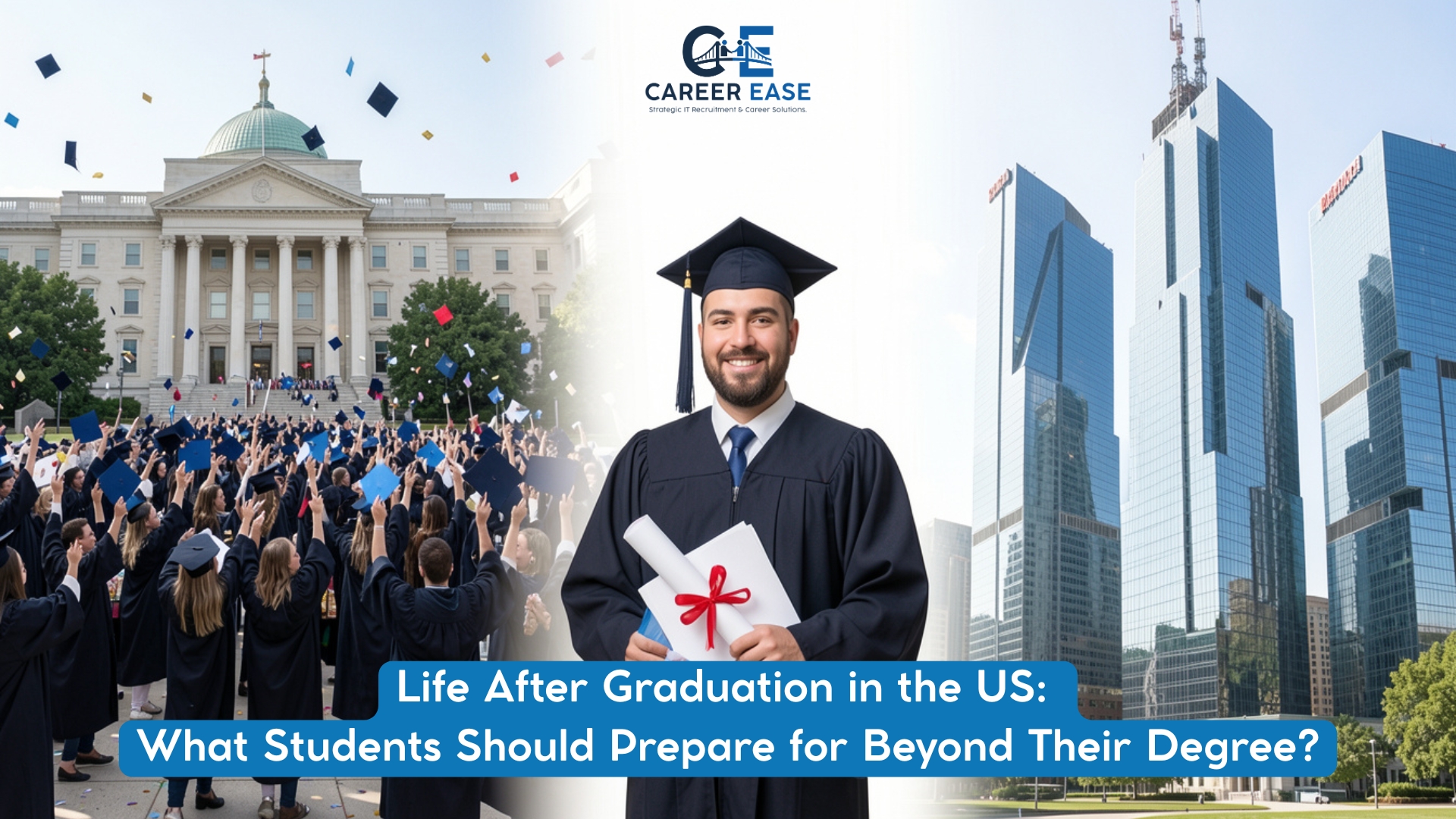
Life After Graduation in the US: A Complete Guide to Building Your Career Successfully
For many international and domestic students, graduation marks the achievement of years of hard work, dedication, and academic success. However, earning a degree is only one step toward building a successful career. The transition from student life to professional life can be exciting, but it also comes with new challenges and responsibilities.
Whether you’re planning to stay in the United States after graduation or are beginning your professional journey, understanding the realities of the job market and creating a solid career plan is essential. A successful career doesn’t happen by chance; it requires preparation, strategy, and continuous learning. In this guide, we’ll explore what graduates should prepare for beyond their degree and how they can improve their chances of securing jobs in USA that align with their career goals.
Understand That Graduation Is the Beginning
Many students believe that earning a degree automatically leads to employment opportunities. While a degree opens doors, employers today look beyond academic qualifications. Organizations seek candidates who can demonstrate:
- Practical skills
- Industry knowledge
- Communication abilities
- Problem-solving capabilities
- Adaptability in changing work environments
The reality is that your degree gets your foot in the door, but your professional skills and career readiness determine how far you go. Graduates should begin thinking about their career path well before completing their education and develop a long-term job strategy in US that supports their professional ambitions.
Prepare for a Competitive Job Market
The US job market is dynamic and highly competitive. Every year, thousands of graduates enter the workforce, competing for opportunities across various industries. To stand out, candidates need more than a standard resume. Successful job seekers focus on:
Building an ATS-Friendly Resume
Many companies use Applicant Tracking Systems (ATS) to screen resumes before a recruiter reviews them. A well-structured resume with relevant keywords significantly increases visibility. Your resume should:
- Highlight measurable achievements
- Include industry-relevant keywords
- Be easy to read and professionally formatted
- Match the requirements of the target role
A strong resume forms the foundation of an effective job search in USA.
Creating a Professional LinkedIn Presence
Recruiters actively search LinkedIn for qualified candidates. A complete and optimized profile can help graduates connect with hiring managers and industry professionals. Make sure your LinkedIn profile includes:
- Professional headline
- Detailed work and project experience
- Relevant skills
- Industry certifications
- Professional profile photo
Networking often leads to opportunities that never appear on public job boards.
Gain Real-World Experience Early
One of the biggest challenges graduates face is the “experience gap.” Employers frequently prefer candidates who have practical exposure to real-world projects. Students should take advantage of:
- Internships
- Co-op programs
- Volunteer opportunities
- Freelance projects
- Campus leadership roles
These experiences demonstrate initiative and help develop workplace skills that employers value. Even small projects can strengthen your resume and improve your credibility during interviews.
Develop a Personalized Job Strategy in US
Submitting hundreds of applications without a plan often leads to frustration and limited results. Instead, graduates should create a structured job strategy in US that includes:
Targeting Specific Roles
Rather than applying to every available position, focus on roles that align with your education, interests, and long-term goals. Identify:
- Preferred industries
- Desired job titles
- Geographic locations
- Growth opportunities
This targeted approach improves application quality and interview success rates.
Tracking Applications
Maintain a record of:
- Companies applied to
- Application dates
- Recruiter contacts
- Interview stages
- Follow-up actions
Organization helps job seekers stay proactive and identify areas for improvement.
Strengthen Soft Skills Alongside Technical Knowledge
Technical expertise is important, especially in fields like IT, engineering, and data science. However, employers consistently rank soft skills among their top hiring criteria.
Graduates should focus on developing:
- Communication skills
- Team collaboration
- Time management
- Leadership abilities
- Critical thinking
- Professional etiquette
Strong interpersonal skills often differentiate candidates with similar technical qualifications.
Stay Updated with Industry Trends
Industries evolve rapidly, particularly in technology-driven sectors. Graduates who continue learning after college gain a significant competitive advantage. Ways to stay relevant include:
- Earning professional certifications
- Attending webinars and industry events
- Following industry leaders
- Participating in professional communities
- Learning emerging technologies
Continuous learning demonstrates commitment to growth and adaptability; qualities employers highly value.
Build and Leverage Professional Networks
Many opportunities arise through referrals and professional relationships rather than traditional applications. Networking should become an ongoing career habit. Effective networking strategies include:
- Connecting with alumni
- Attending industry conferences
- Joining professional associations
- Participating in online communities
- Engaging with recruiters and hiring managers
Building genuine relationships can accelerate your career growth and improve access to hidden opportunities in the US job market.
Prepare Financially and Professionally for the Transition
Moving from student life to full-time employment often involves significant lifestyle changes. Graduates should prepare for:
- Budgeting and financial planning
- Relocation expenses
- Workplace expectations
- Professional communication standards
- Career goal setting
Having a transition plan reduces stress and allows individuals to focus on long-term career development.
Partner with Career Experts for Better Results
Navigating the modern hiring landscape can be overwhelming, especially for recent graduates and international students. Professional career guidance can help job seekers:
- Build ATS-friendly resumes
- Optimize LinkedIn profiles
- Prepare for interviews
- Develop targeted job search strategies
- Connect with relevant opportunities
Working with experienced career professionals often shortens the job search process and improves overall success rates.
Conclusion
Graduation is an important milestone, but it is only the beginning of your professional journey. Success after college requires preparation, strategic planning, continuous learning, and persistence. By developing practical skills, building a strong professional brand, networking effectively, and implementing a focused job strategy in US, graduates can position themselves for long-term career success.
The transition from student to professional may feel challenging, but with the right guidance and approach, it can become a rewarding step toward achieving your career goals and securing meaningful jobs in USA.
At Career Ease IT Solutions, we help graduates and professionals navigate the competitive US job market with personalized career support, ATS-friendly resume development, LinkedIn optimization, and strategic job search guidance. Visit www.careereaseitsolutions.com and discover how Career Ease can help you build a stronger future with a smarter approach to your job search in USA.